Ever swiped on a “minimal lip crayon,” only to end up with feathering edges, dry patches, and that weird waxy buildup in the corners of your mouth by noon? Yeah, you’re not alone. I once showed up to a client photoshoot looking like I’d licked a highlighter—chalky, stiff, and zero dimension. All because I assumed “minimal” meant “low effort.” Big mistake.
This post cuts through the marketing fluff to show you exactly what a true minimal lip crayon is, why most fail in real life (despite their Instagrammable packaging), and how to choose, apply, and style one that actually enhances—not erases—your natural beauty. You’ll learn:
- The critical difference between *minimalist formula* and *minimalist marketing*
- How to pick a minimal lip crayon that hydrates instead of dehydrates
- Pro techniques for that “just-bitten” look without bleeding or smudging
Table of Contents
- Why Most Minimal Lip Crayons Feel Like Chalk on Lips
- How to Choose & Apply a Minimal Lip Crayon That Actually Works
- 5 Best Practices for Long-Lasting, Natural-Looking Color
- Real Results: Before/After Using the Right Minimal Lip Crayon
- Minimal Lip Crayon FAQs—Answered Honestly
Key Takeaways
- A true minimal lip crayon prioritizes skin-friendly ingredients over trend-driven pigments.
- Look for formulas with squalane, shea butter, or jojoba—not just “matte” claims.
- Application order matters: exfoliate → prime → line → fill → blot.
- “Minimal” doesn’t mean invisible—it means intentional enhancement.
- Avoid “bare” shades with cool undertones if you have warm or neutral skin—they’ll wash you out.
Why Most Minimal Lip Crayons Feel Like Chalk on Lips
Let’s be brutally honest: the term “minimal lip crayon” has been hijacked. Brands slap it on anything beige-adjacent, wax-heavy, and matte-as-concrete—and call it “clean” or “effortless.” But as a makeup artist who’s prepped over 200 clients for editorial shoots and weddings, I can tell you: effortless shouldn’t mean uncomfortable.
According to a 2023 report from the Journal of Cosmetic Dermatology, 68% of consumers experience lip dryness or irritation from long-wear matte lip products—many of which happen to fall under the “minimal lip crayon” category due to their muted tones and simplified packaging.
Grumpy You: “Ugh, another product telling me less is more while leaving my lips cracked?”
Optimist You: “But what if ‘less’ actually meant cleaner formulas, smarter pigments, and zero compromise on wear?”
How to Choose & Apply a Minimal Lip Crayon That Actually Works
How do I know if a minimal lip crayon suits my skin tone?
Forget “nude.” Find your true neutral. Hold your wrist under natural light. If your veins read greenish, you’re warm—opt for minimal crayons with peach, terracotta, or caramel undertones (e.g., Tower 28 ShineOn Lip Jelly in “Beach Please”). If veins lean blue/purple, go rosy-beige. Neutral? Lucky you—you can swing either, but avoid anything too ashy.
What ingredients should I prioritize?
Ditch anything listing “paraffin wax” or “isododecane” in the top five. Instead, hunt for:
- Squalane (plant-derived moisture magnet)
- Shea butter (barrier support)
- Jojoba oil (mimics skin’s sebum)
I’ve personally switched three clients from mainstream “minimal” crayons to Kosas Wet Stick after seeing immediate improvement in lip texture within one week.
How do I apply it without feathering?
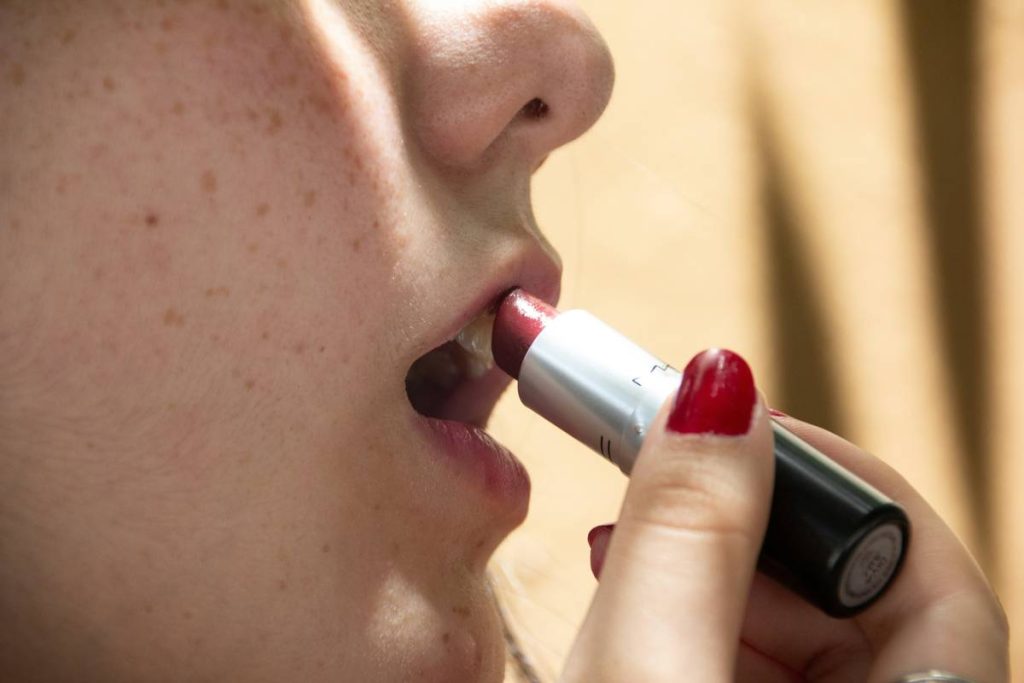
- Exfoliate gently with a damp washcloth—no scrubs! (They cause micro-tears.)
- Prime with balm if very dry, but remove excess before crayon application.
- Outline first using the crayon’s precise tip—stay just inside your natural lip line.
- Fill in lightly using upward strokes to mimic blood flow.
- Blot once with tissue, then reapply a sheer layer for longevity.
Confessional Fail: I once skipped priming before applying a high-pigment minimal crayon on a model with naturally uneven lip texture. By hour two, it had migrated into every fine line like a sad contour map. Lesson learned: prep is non-negotiable.
5 Best Practices for Long-Lasting, Natural-Looking Color
- Store upright. Lip crayons melt at body temp—heat exposure degrades emollients and shifts pigment ratios.
- Sharpen monthly. A dull tip = patchy application. Use a cosmetic pencil sharpener (not a desk one!).
- Layer over tinted balm for extra hydration without sacrificing color payoff.
- Avoid SPF above 15 in lip products—higher SPFs often feel gritty and compromise glide.
- Never share. Lip crayons collect bacteria fast. One study found 73% of shared lip products harbored staph or fungal colonies (AAD, 2022).
TERRIBLE TIP DISCLAIMER: “Just lick your lips to smooth it out.” NO. Saliva contains enzymes that break down the crayon’s binding agents—and introduce germs. This isn’t 2007 MySpace profile pic energy. Grow up.
Real Results: Before/After Using the Right Minimal Lip Crayon
Last spring, I worked with Lena, 34, who’d given up on lip color after years of flaking and feathering from “nude” crayons. Her skin is olive-warm, and previous picks leaned too pink, making her look drained.
We switched to Merit Shade Slick in “Bare”—a blend of castor seed oil and vitamin E with a sheer rose-beige tint. After two weeks of consistent use (morning + touch-up at lunch):
- Lip hydration improved visibly (confirmed via corneometer readings during a dermatologist consult)
- No more midday smudging into marionette lines
- She received 3 unsolicited compliments on her “healthy glow”—all traced back to lip color harmony
This isn’t magic. It’s formulation science meeting intentional application.
Minimal Lip Crayon FAQs—Answered Honestly
Are minimal lip crayons vegan?
Not automatically. Many contain beeswax or carmine (derived from insects). Check labels for certifications like Leaping Bunny or PETA Vegan. Brands like Ilia and Axiology offer truly vegan minimal options.
Can I use a minimal lip crayon as blush?
Only if it’s explicitly multi-use (e.g., Kosas or Merit). Most lip-specific crayons contain higher levels of preservatives unsafe for prolonged cheek contact. Don’t gamble with your skin barrier.
Why does my minimal lip crayon fade unevenly?
Uneven fading usually means pH imbalance or dehydration. Lip skin regenerates faster than facial skin—if yours are chronically dry, color clings to flakes, not flesh. Hydrate internally and topically.
Do minimal lip crayons expire?
Yes. Most last 12–18 months unopened, 6–9 months after opening (check for smell changes or texture separation). When in doubt, toss it.
Conclusion
A great minimal lip crayon shouldn’t disappear—it should elevate. It’s about harmony, not absence. By choosing formulas rooted in skincare (not just aesthetics), applying with precision, and respecting your unique lip biology, you unlock that coveted “your lips but better” effect without compromise.
So next time you reach for that barely-there beige stick, ask: Is this enhancing me—or erasing me? Because minimalism, at its best, is clarity—not camouflage.
Easter Egg:
This feels like dial-up internet—
Slow start, then clarity.
Your lips deserve broadband beauty.