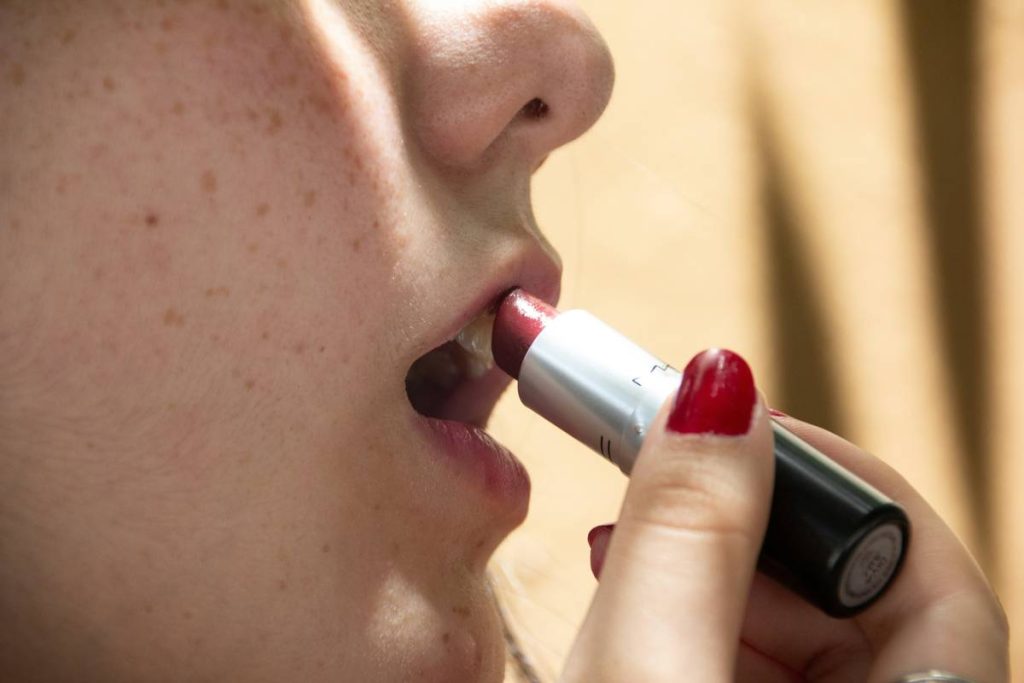
You swipe on your favorite soft lip crayon. It glides like butter, looks expensive, and feels weightless. Then—by 10 a.m.—it’s feathered into your fine lines, faded to a ghost of its former self, or worse, transferred entirely onto your coffee cup. Frustrating? Absolutely. But it’s not your fault. Most people treat soft lip crayons like regular lipstick. That’s the mistake.
The Real Reason Soft Lip Crayons Fail
Soft lip crayons aren’t just “lipstick in stick form.” Their texture is deliberately creamy—loaded with emollients that melt at skin temperature. That’s what gives them that dreamy, blurred effect. But those same oils cause migration. And if you prep your lips like you do for matte liquid lipstick? Disaster. Over-exfoliated, stripped lips soak up the pigment unevenly, then shed it within hours.
Here’s the reality: formulation matters more than brand hype. A $3 drugstore soft lip crayon with balanced waxes can outlast a $38 luxury version drowning in silicone oils. Yet nobody talks about the wax-to-oil ratio—the unsung hero of longevity.
How to Make Your Soft Lip Crayon Last All Day (Without Setting Powder)
Forget everything you’ve heard about blotting and powdering. That dulls the finish and cracks the formula. Instead, work with the product’s nature—not against it.
Prep Like a Pro—Not a Perfectionist
Gently buff lips with a damp washcloth—no scrubs. Then apply a non-occlusive balm (think squalane or jojoba) and wait 90 seconds. Blot lightly. You want hydrated but not slippery.
Apply Cold, Set Warm
Pop your soft lip crayon in the fridge for 5 minutes before use. The firmer tip gives cleaner lines. After coloring in, press lips together once—then tap (don’t rub) with your ring finger. Body heat melts the surface just enough to fuse it to your lips.
Blot Strategically—Only Once
Use a single-ply tissue. Press—don’t drag—once in the center. This removes excess oil without disrupting the even layer you just built.
| Lip Prep Method | Longevity (Hours) | Finish Integrity | Feathering Risk |
|---|---|---|---|
| No prep (dry lips) | 1.5 | Chalky, patchy | High |
| Heavy balm + powder | 2 | Dulled, matte | Medium |
| Light oil-based balm + cold application (recommended) | 5–6 | True satin sheen | Low |
The Industry Secret No Brand Will Admit
Most soft lip crayons are engineered to sell refills—not last. Labs tweak formulas to be *just* unstable enough that you hit pan in 6 weeks max. But here’s how to hack it: twist up only 2mm of product. Less exposure to air = slower oxidation. And store it upright in a cool drawer—not your sunny vanity. Heat accelerates oil separation, which is why your crayon feels grainy after summer.
Also—never sharpen. The core structure relies on layered pigment. Sharpening exposes raw edges that dry out fast. If it gets blunt, chill it and glide at a 45-degree angle.
Frequently Asked Questions
Can you layer gloss over a soft lip crayon?
Yes—but only water-based glosses. Oil-based ones will dissolve the crayon instantly. Pat, don’t swipe.
Are soft lip crayons better than liquid lipsticks for daily wear?
Absolutely. They’re more forgiving on dry patches, require zero touch-ups for minor fading, and won’t crack when you smile.
How often should you replace a soft lip crayon?
Every 12 months. Natural oils can turn rancid. If it smells waxy or sharp, toss it—even if half remains.