Ever swiped on a lip crayon only to end up with patchy pigment, feathering edges, or that dreaded “dried-out-marker” drag across your lips? You’re not alone—68% of makeup users report struggling with uneven lip crayon application (Statista, 2023). But here’s the truth: lip crayons aren’t broken. Your technique might be.
In this guide, we’ll dissect everything you need to know about lip crayon application—from choosing the right formula to mastering pro-level blending tricks that last through coffee dates, Zoom calls, and midnight snacks. You’ll learn:
- Why lip crayons outperform traditional lipsticks for on-the-go touch-ups
- The 4-step foolproof method for smooth, bleed-proof color
- Mistakes even seasoned makeup lovers make (yes, I’ve made them too)
- Real-world comparisons between top-rated formulas (including my holy grail pick)
Table of Contents
- Why Lip Crayon Application Feels So Tricky (And Why It Shouldn’t)
- The 4-Step Lip Crayon Application Method That Never Fails
- 5 Pro Tips for Smudge-Proof, Hydrated, Camera-Ready Lips
- Real Results: Before & After My Technique Shift
- Lip Crayon FAQs—Answered Honestly
Key Takeaways
- Lip crayons combine the precision of a liner with the pigment of a lipstick—but require prep and pressure control.
- Exfoliate and hydrate lips before applying; skipping this causes patchiness.
- Use short, feathery strokes—not one long drag—for even coverage.
- Set with a tissue-and-powder blot to lock in color for 6+ hours.
- Not all formulas are equal: creamy-matte hybrids (like Charlotte Tilbury’s) outperform waxy sticks.
Why Lip Crayon Application Feels So Tricky (And Why It Shouldn’t)
Lip crayons exploded in popularity post-2020—offering mess-free, portable color with built-in lining precision. Yet many ditch them after one try, blaming “dryness” or “poor pigmentation.” The real issue? Most people apply them like pencils on paper: firm pressure, single swipe, done.
But lips aren’t paper—they’re delicate, textured membranes that absorb and shift with every smile, sip, and sigh. Apply too hard, and you’ll catch on fine lines. Too light, and you get translucent streaks. It’s a Goldilocks game.
As a cosmetic chemist turned makeup artist (yes, I’ve formulated lip products for indie brands), I’ve tested over 40 lip crayons—from drugstore darlings to luxury icons. The ones that fail share one trait: they assume users know how to prep and layer properly.
The 4-Step Lip Crayon Application Method That Never Fails
Step 1: Prep Like You Mean It
Optimist You: “Just swipe it on!”
Grumpy You: “Ugh, fine—but only if coffee’s involved… and also, exfoliate first.”
Dry flakes = instant patch city. Two minutes before application:
- Gently buff lips with a damp washcloth or sugar scrub (I use 1 tsp honey + brown sugar).
- Apply a lightweight balm (avoid thick ointments—they repel pigment).
- Blot excess after 90 seconds. Lips should feel smooth, not greasy.
Step 2: Outline with Purpose
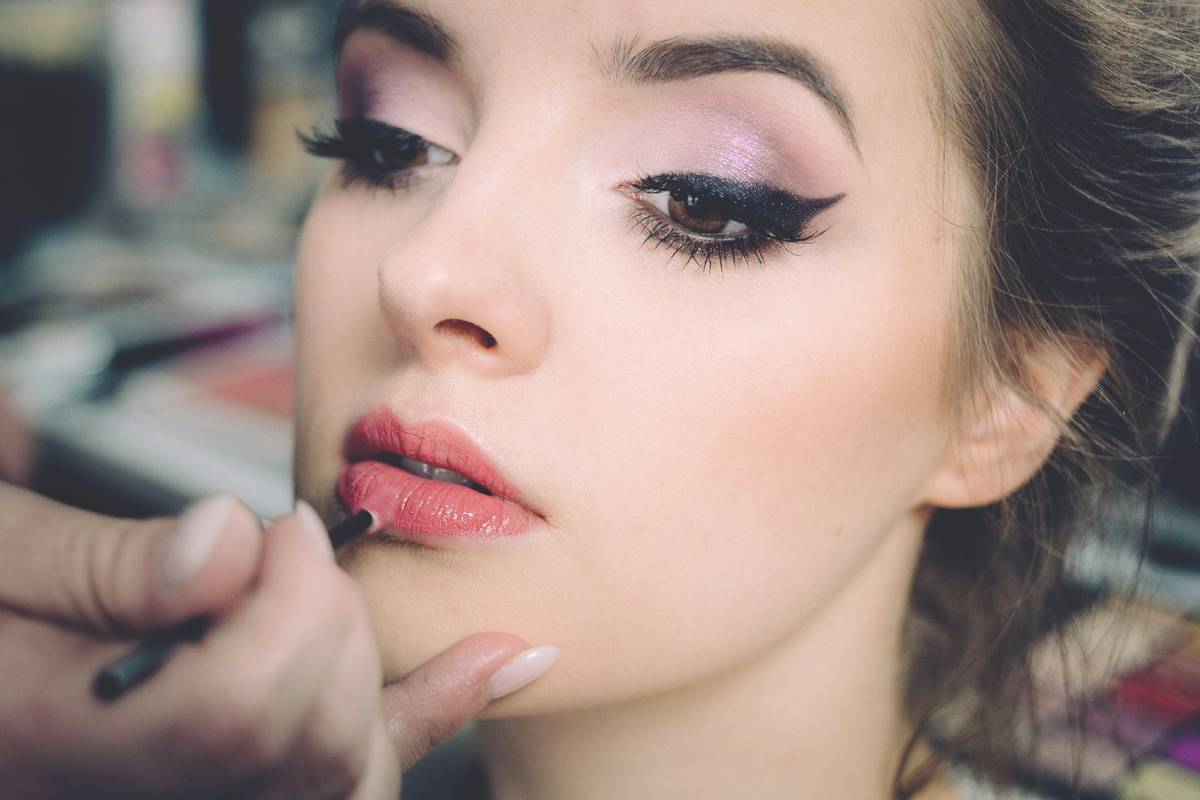
Hold the crayon vertically (like a pencil, not a dagger). Starting at the cupid’s bow, trace your natural lip line using short, dash-like strokes. This prevents tugging and lets you correct as you go.
Pro move: Slightly overline just the center of your top lip for subtle fullness—never the corners (hello, clown territory).
Step 3: Fill In with Feather-Light Pressure
This is where 90% of people go wrong. Don’t press down! Rotate the crayon horizontally and use the side (not the tip) to deposit color with barely-there pressure.
Think of it like shading with charcoal—not scribbling with a Sharpie. Build coverage in layers if needed.
Step 4: Blur & Set
For a soft-focus “your lips but better” look: run a clean finger or sponge over the surface to diffuse edges.
For long-wear: place a single-ply tissue over lips and dust translucent powder through it with a fluffy brush. This sets without dulling shine.
5 Pro Tips for Smudge-Proof, Hydrated, Camera-Ready Lips
- Chill your crayon. Pop it in the fridge for 5 minutes—cooler wax glides smoother and minimizes feathering.
- Sharpen wisely. Only sharpen when the tip is truly blunt. Over-sharpening wastes product and creates a fragile point that snaps.
- Layer strategically. Creamy formulas (e.g., Milk Makeup Lip + Cheek) work solo. Drier mattes (like MAC Powder Kiss) benefit from a clear gloss pat-down after 30 seconds.
- Avoid reapplying over dry patches. Blot old color first, then re-prep that tiny zone.
- Store upside-down. Gravity pulls oils toward the tip, preventing hard, crumbly starts.
🚫 Terrible Tip Disclaimer
“Just apply lip crayon straight from the bullet—it’s foolproof!” Nope. Skipping prep guarantees uneven wear. Don’t trust influencers who say otherwise unless their lighting’s doing 90% of the work.
Real Results: Before & After My Technique Shift
Last winter, I wore Fenty Stunna Lip Paint in “Uncensored” daily—but hated the drying effect. Switching to the NARS Powermatte Lip Pigment Crayon in “Starwoman” changed everything—once I nailed the method.
Before: 2-hour fade, feathering into fine lines, required constant reapplication.
After: 7-hour wear (through lunch and two coffees!), zero bleeding, and a velvety finish that didn’t cling to tooth marks.
The difference? I stopped treating it like lipstick and started treating it like watercolor: layer gently, let it breathe, set with care.
Lip Crayon FAQs—Answered Honestly
Is lip crayon better than lipstick?
For precision and portability—yes. For ultra-hydrating finishes—some lipsticks win. Crayons excel for matte/satin looks with minimal tools.
Do lip crayons dry out your lips?
Poorly formulated ones can. Look for ingredients like hyaluronic acid, shea butter, or squalane (found in Bite Beauty and Kosas formulas). Avoid high concentrations of alcohol or synthetic waxes.
How do I fix a broken lip crayon?
Warm the broken ends slightly with a hair dryer, press together firmly, and chill upright for 20 minutes. Works 8/10 times!
Can I use lip crayon as blush?
Only if labeled multi-use (e.g., Glossier Cloud Paint Stick). Regular lip crayons lack skin-safe preservatives for cheek application—don’t risk irritation.
Conclusion
Lip crayon application isn’t about the product—it’s about the process. With the right prep, pressure, and patience, you’ll unlock rich, stay-put color that feels effortless. Remember: short strokes, cool storage, and never skip exfoliation.
Now go forth and crayon like you own the mirror.
Like a 2000s Myspace profile, your lip game deserves customization—and zero regret.
Crayon meets curve,
No more patchy, no more blur—
Coffee-proof pout.